How a Valve Manufacturer Turned Their Website into a 60+ Inquiry-Per-Month B2B Engine
From invisible on Google to dominating niche valve keywords — a full SEO and website transformation case study.
Client Background — A Wenzhou Valve Manufacturer's Export Ambition
Pacific Valve Group (name changed for privacy) is a Wenzhou-based manufacturer specializing in stainless steel ball valves, gate valves, butterfly valves, and check valves for the oil & gas, water treatment, and chemical processing industries. They hold API 6D, CE-PED, and ISO 9001 certifications, with an annual production capacity of 500,000+ units.
Despite exporting to Southeast Asia through trading companies for years, they wanted to build direct relationships with international buyers. Their outdated brochure-style website — built in 2017 — was their only digital asset. It had no search visibility, no technical depth, and generated exactly zero organic inquiries. All leads came from trade shows and Alibaba, where price competition was brutal and margins were shrinking.
See how we do this in the real world
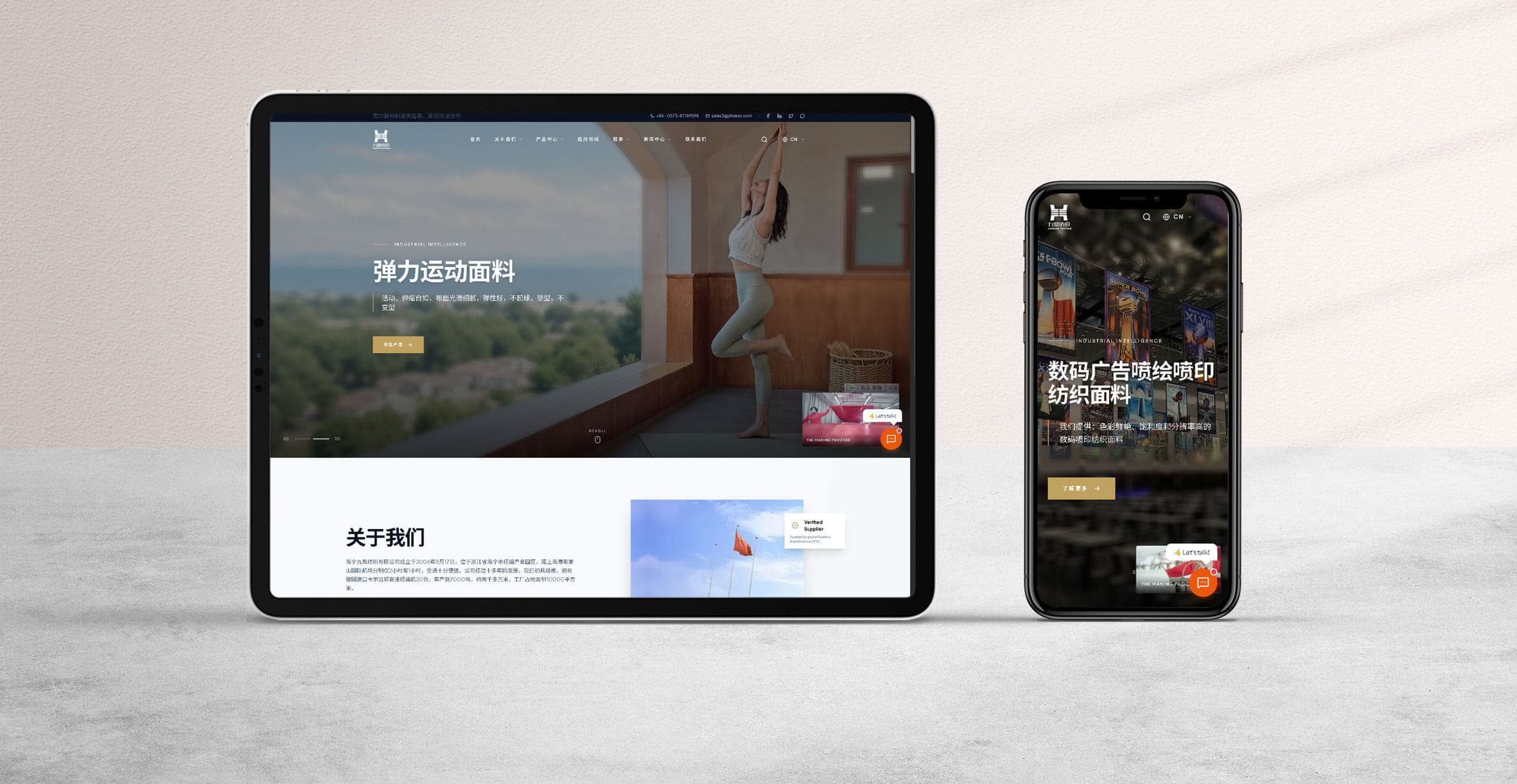
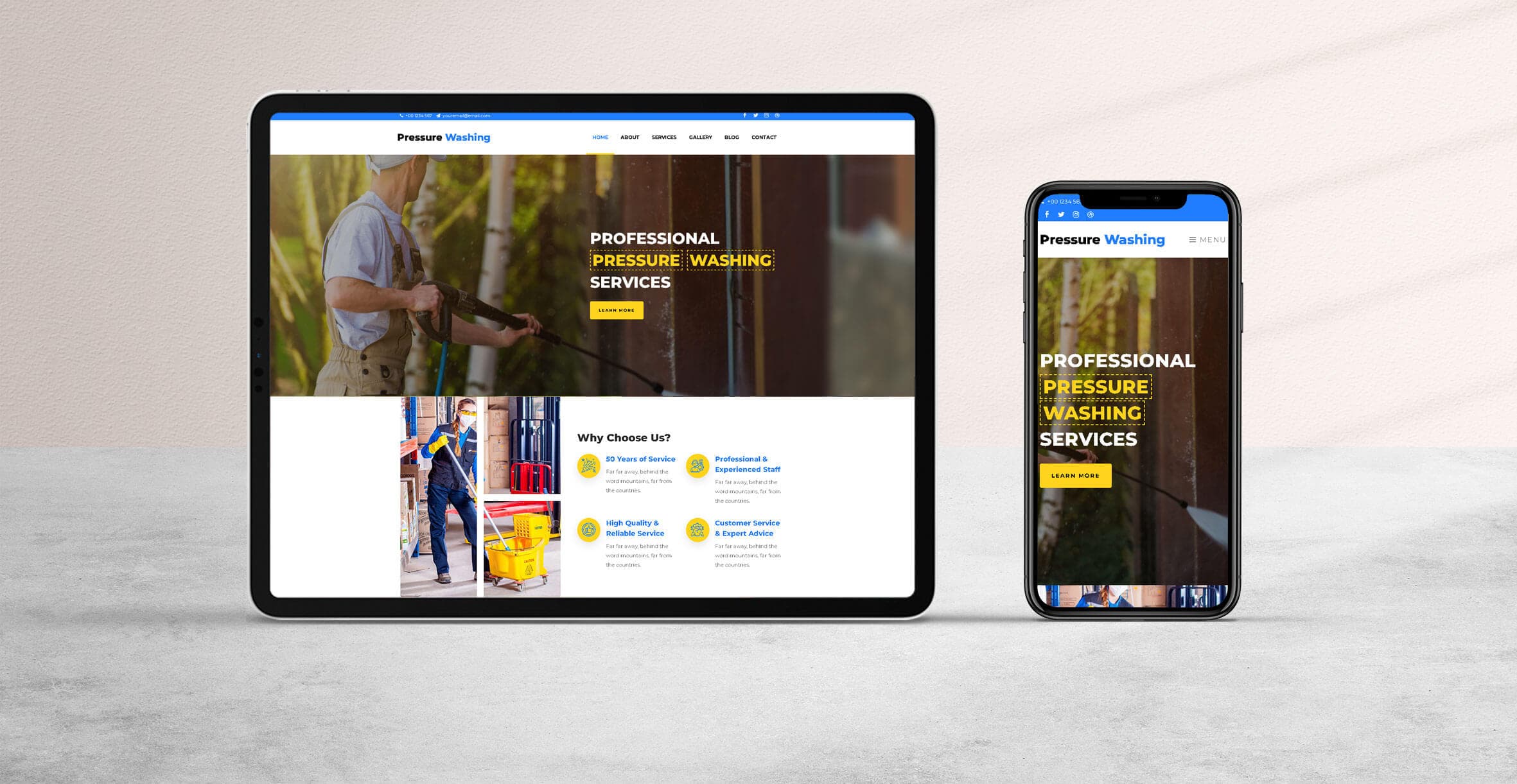
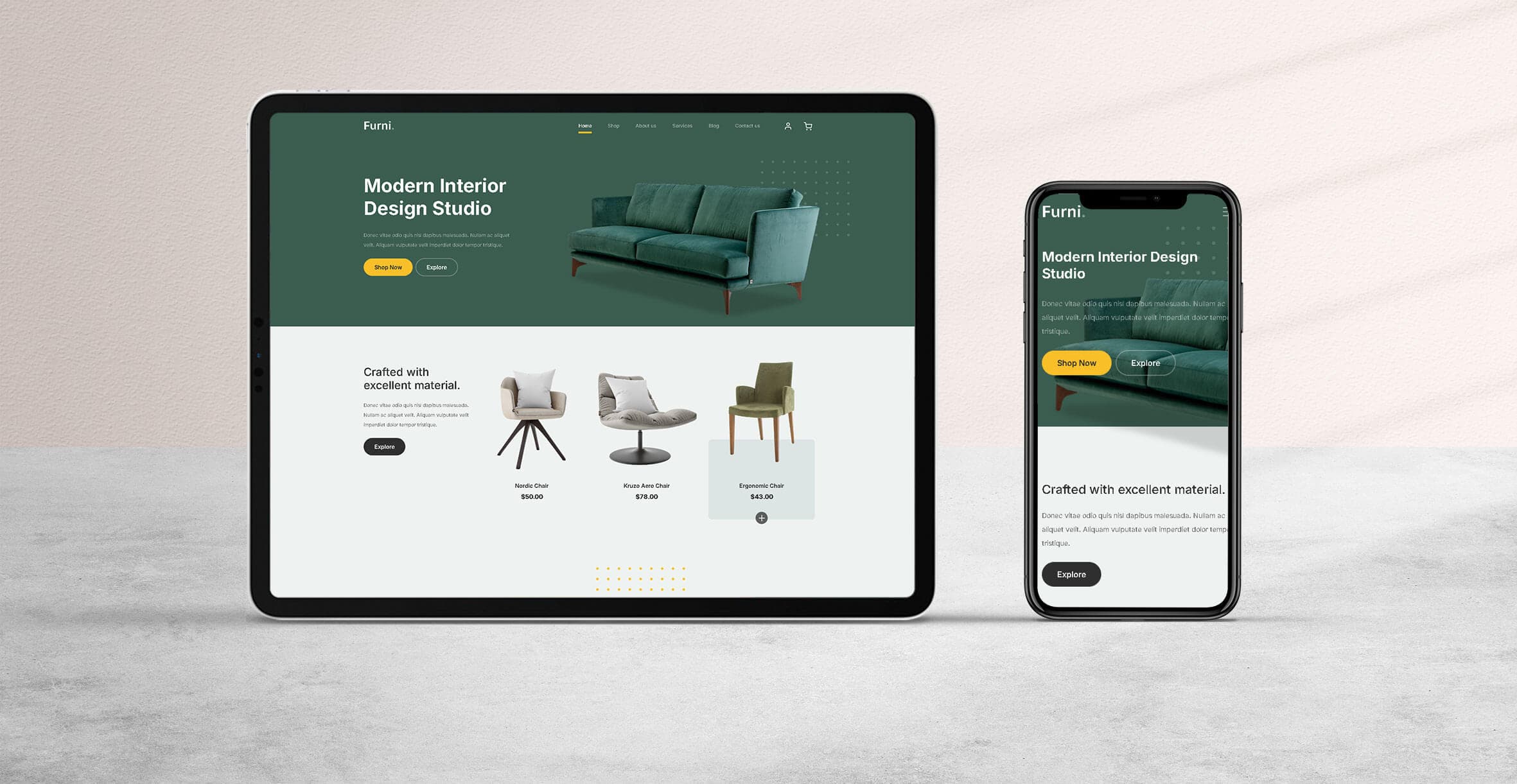
Explore our portfolio of successful B2B websites that generate steady high-value inquiries.
The Problem — Invisible Online, Dependent on Trade Shows
Our initial audit revealed a textbook case of missed digital opportunities:
1. Generic Product Presentation
Product pages listed basic product names and a few photos — no material specifications (ASTM A351 CF8M, A216 WCB), no pressure ratings, no dimensional standards (API, ANSI, DIN, JIS), no flow coefficient (Cv/Kv) data. Industrial valve buyers need this technical data to make purchasing decisions. Without it, the website was useless for serious buyers.
2. Zero Search Visibility for Buyer Keywords
The website ranked for nothing. High-value keywords like "stainless steel ball valve manufacturer," "API 6D gate valve supplier China," and "industrial butterfly valve factory" — terms that international procurement managers actually use — had zero presence.
3. No Trust Architecture
No project references, no industry-specific certifications displayed prominently, no client testimonials, no quality control process documentation. In the valve industry, where product failure can mean catastrophic safety incidents, trust is everything.
4. Terrible User Experience
The website loaded in 6+ seconds, wasn't mobile-responsive, and used Flash elements. The contact page required filling out 12 form fields. Unsurprisingly, nobody bothered.
The Solution — What We Did (Step by Step)
Phase 1: Industry-Specific Website Rebuild (Month 1-2)
We designed a website specifically for industrial valve buyers. Product pages became comprehensive technical documents: each valve type got a dedicated page with complete specification tables (material grades, pressure classes, size ranges, end connections, temperature ratings), dimensional drawings (downloadable in PDF and DWG formats), test certificates and quality documentation, application case studies showing the valve in actual industrial installations, and a "Request Technical Consultation" CTA above the fold.
We built application-based navigation alongside product-based navigation. A buyer from the oil & gas sector could browse by application (upstream, midstream, downstream) and instantly see relevant products with their API certifications highlighted. Water treatment buyers could filter by material compatibility and corrosion resistance ratings.
Phase 2: Niche SEO Domination Strategy (Month 2-5)
Industrial valves are a niche B2B category — which is actually an SEO advantage. Competition is lower than consumer products, and buyer intent behind searches is very high. We built a keyword strategy around 110+ terms organized by product type, specification, and application.
Product-level keywords: "SS316 ball valve manufacturer," "flanged gate valve API 600 supplier." Application keywords: "valves for chemical processing plants," "high-pressure valves for oil and gas." Specification keywords: "ANSI 300 butterfly valve dimensions," "API 6D trunnion mounted ball valve." Each keyword cluster was mapped to a specific page or content piece.
We created a technical resource center with valve selection guides, pressure-temperature rating charts, material comparison guides, and industry standard explainers. This content attracted engineers and procurement managers during their research phase, building brand awareness before the RFQ stage.
Phase 3: Authority Building & Technical SEO (Month 3-6)
We implemented comprehensive Schema markup — Product schema with technical specifications, Organization schema with certifications, and FAQ schema on every guide page. We secured backlinks from valve industry directories (Valve World, Engineering360), contributed technical articles to industry publications, and got listed in major industrial buyer platforms.
The Results — 60+ Monthly Inquiries, 3 Major Contracts
The numbers transformed the business:
Monthly organic traffic: 150 → 5,200 sessions (+3,367%). Monthly qualified inquiries: 0 → 60+ (from literally zero). Google Page 1 rankings: 0 → 38 keywords, including #1 for "stainless steel ball valve manufacturer China." Average inquiry value: $12,000+ per inquiry (vs. $2,000-3,000 on Alibaba). Website conversion rate: 0% → 3.2%. Bounce rate: 85% → 28%. Average time on site: 30s → 4m 15s.
Within the first year, Pacific Valve closed 3 direct contracts totaling over $480,000 through website inquiries — including a recurring annual supply agreement with a European water treatment company worth $180,000/year. The client has since hired 2 additional export sales staff to handle the inquiry volume.
Replicable Playbook — How Valve & Pump Manufacturers Can Do This
Step 1: Build Technical Credibility Into Your Website
Your website must speak the buyer's technical language. Include material grades, pressure ratings, dimensional standards, and test documentation. If a procurement engineer can't find the Cv value of your butterfly valve in 20 seconds, you've lost them.
Step 2: Target Niche Industrial Keywords
B2B industrial SEO is achievable precisely because it's niche. There are far fewer competitors for "API 6D gate valve manufacturer" than for "LED lights." Identify 50-100 keywords specific to your valve/pump types, materials, and applications.
Step 3: Create a Technical Resource Center
Engineers research extensively before sending RFQs. Valve selection guides, material comparison charts, and standard explainer articles position you as a knowledgeable manufacturer, not just another factory listing.
Step 4: Simplify Your Contact Process
Reduce form fields to the essentials — name, email, product interest, and a message. Add WhatsApp and phone options for urgent inquiries. Every unnecessary field costs you conversions.
Want a similar website for your business? Get a free website growth plan from our B2B experts — delivered within 24 hours.
Key Takeaways
The industrial valve market is perfect for SEO-driven growth because buyer intent is extremely high and competition is relatively low. If you manufacture quality valves with proper certifications, a professional B2B website with targeted SEO will consistently deliver qualified inquiries from international buyers — inquiries that are worth 4-6x what you get from trading platforms. Pacific Valve's story proves that the investment pays for itself within months.
Deep Dive FAQ
What makes a valve manufacturer website effective for B2B lead generation?↓
How competitive is SEO for industrial valve manufacturers?↓
How much should a valve manufacturer invest in their website?↓
Can a valve manufacturer compete with Alibaba through their own website?↓
What certifications should a valve manufacturer highlight on their website?↓
Transform Your B2B Strategy
Get Your Free Website Diagnosis
Join 50+ leading manufacturers who trust MMReen to build their digital presence and generate high-quality B2B inquiries. Our experts will analyze your website and deliver a custom conversion blueprint within 24 hours.
Related Insights
How a Custom Packaging Manufacturer Got 120+ Monthly Inquiries
A step-by-step breakdown of how a B2B packaging supplier cracked the Google SEO code.
How an LED Lighting Manufacturer Went from 3 to 45+ Monthly Export Inquiries in 6 Months
A complete breakdown of the website and SEO strategy that transformed a Shenzhen LED supplier into a global inquiry magnet.